Congolese Rumba
The sound of the two Congos. Born in Kinshasa and Brazzaville, Congolese rumba blended Kongo rhythms with Cuban records and became UNESCO heritage in 2021.
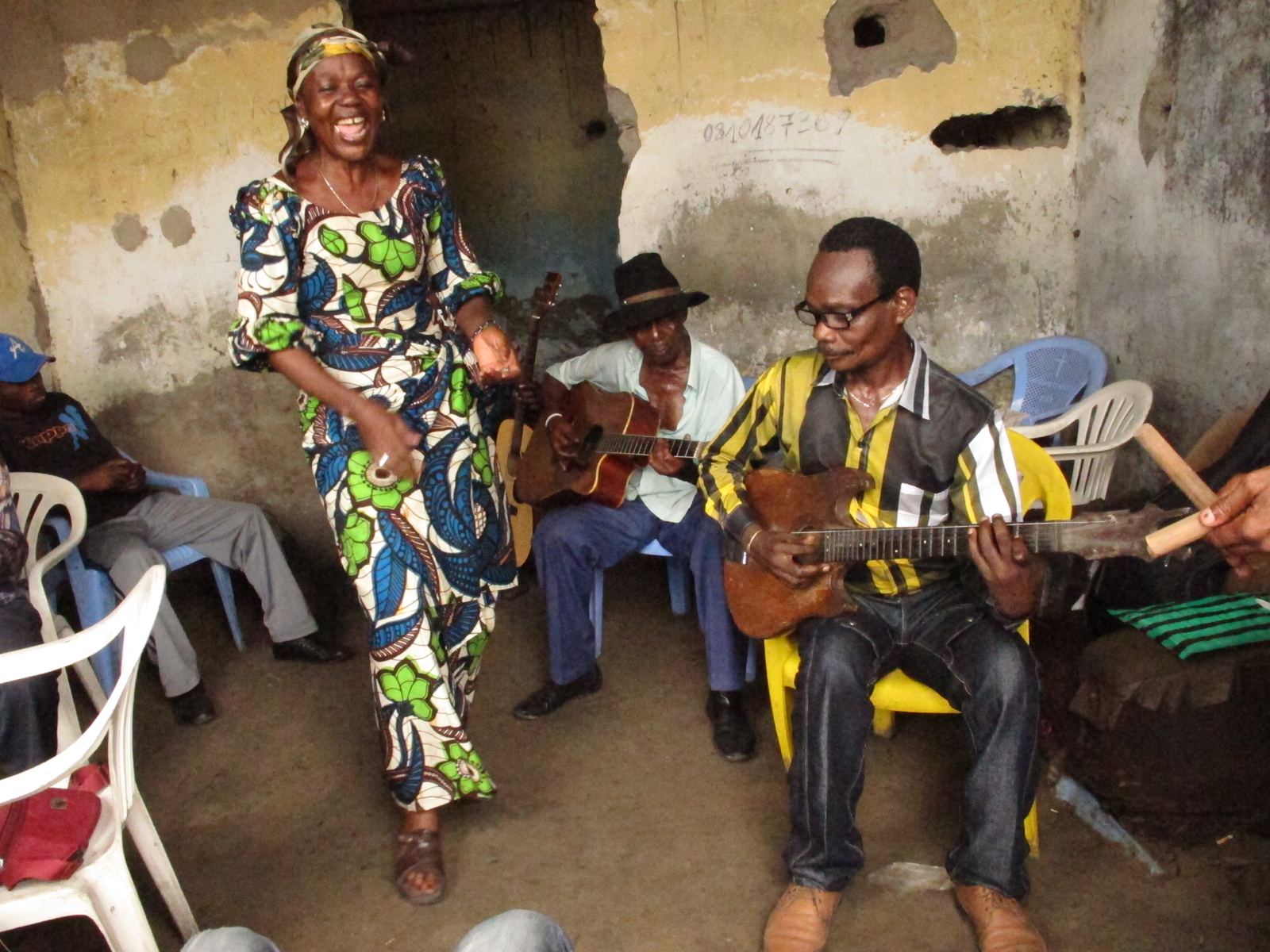
Bakolo Music International rehearsing: Jeanne Vu Van, CC BY-SA 4.0
Two capitals, one river
Kinshasa and Brazzaville face each other across the Congo River, the capitals of two countries: the Democratic Republic of the Congo and the Republic of the Congo. In their bars and dance halls in the 1940s and 1950s, a new music took shape that would set the rhythm for much of Africa. In 2021 the two countries jointly secured its place on UNESCO's list of the intangible cultural heritage of humanity.
Video: Congolese rumba, soundtrack of African history, added to UNESCO heritage list (FRANCE 24 English), embedded from YouTube.
Back across the Atlantic and home again
The story of rumba loops across the ocean. Enslaved people from the Kongo region carried rhythms and dances to Cuba, where they helped shape Cuban son and rumba. In the 1930s and 1940s, records of Cuban music sold widely in Central Africa, and Congolese musicians heard something familiar. They blended those sounds with local guitar styles and dances, and began to sing in Lingala, the language of the river and the city.
Early stars included Wendo Kolosoy, whose song Marie-Louise became a hit in 1948. In 1960, as Congo gained independence, Joseph Kabasele, known as Le Grand Kalle, and his band African Jazz recorded Independence Cha Cha, which became an anthem of the moment across the continent.
Guitars and the sebene
Congolese rumba is built on bright, interlocking electric guitars. Franco Luambo Makiadi and his OK Jazz band, founded in 1956, dominated the scene for three decades alongside the singer Tabu Ley Rochereau. A typical song starts slow and sung, then breaks into the sebene, a fast, looping guitar section made for dancing, where an animator shouts out dance moves and names.
Later generations sped things up into soukous and ndombolo. Bands such as Zaiko Langa Langa and singers such as Papa Wemba, who was also famous for the stylish fashion movement known as La Sape, carried Congolese music to Paris, Brussels, Nairobi and beyond.
Music of everyday life
Rumba is heard at weddings, funerals, political rallies and on every bus radio in the two capitals. Its lyrics deal with love, loss, money and social life, often with sharp humour. Many styles of East and West African popular music, from Kenyan benga to Tanzanian dance bands, grew up listening to Congolese guitarists. Rumba is also a dance, danced in couples with smooth hip movement, and its UNESCO listing recognised the schools, bands and families that keep both the music and the dance alive.
- Bakolo Music International rehearsing: Jeanne Vu Van, CC BY-SA 4.0
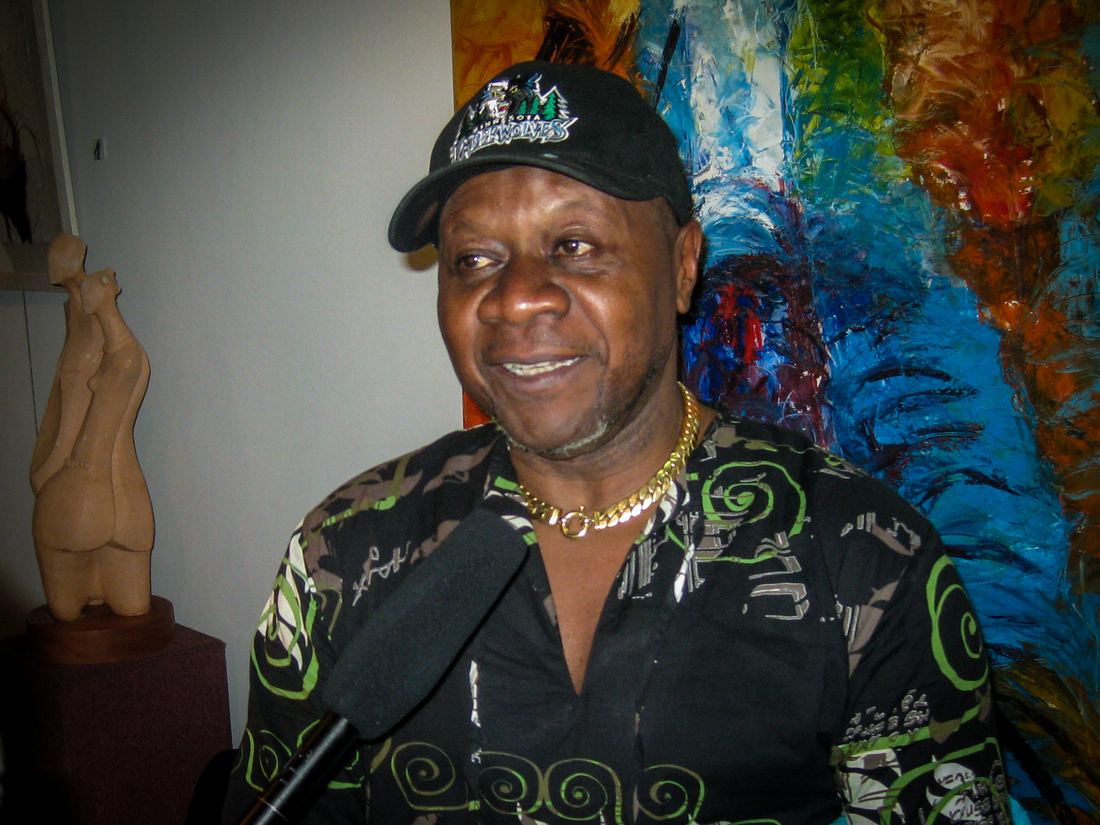
- Papa Wemba: Radio Okapi, CC BY 2.0
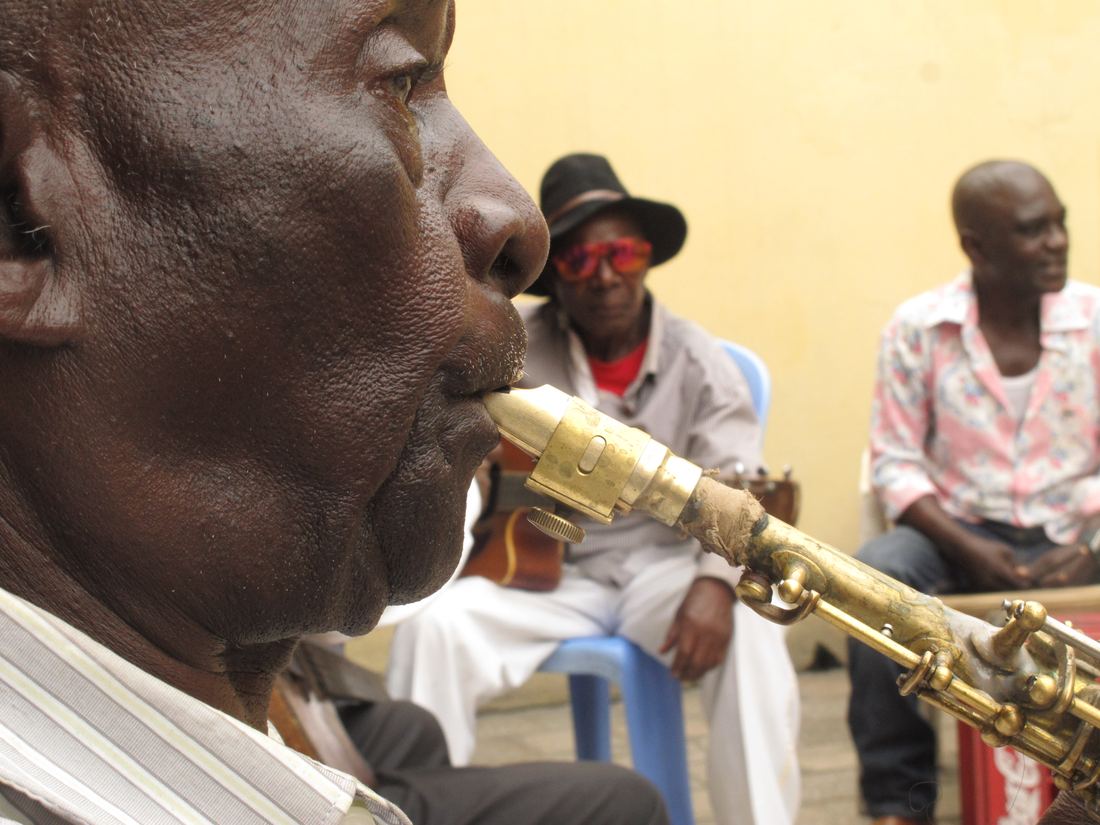
- Saxophone at rehearsal: Jeanne Vu Van, CC BY-SA 4.0
Text written by Bongara Bongara.